Wednesday, August 16, 2006

Sri Lanka
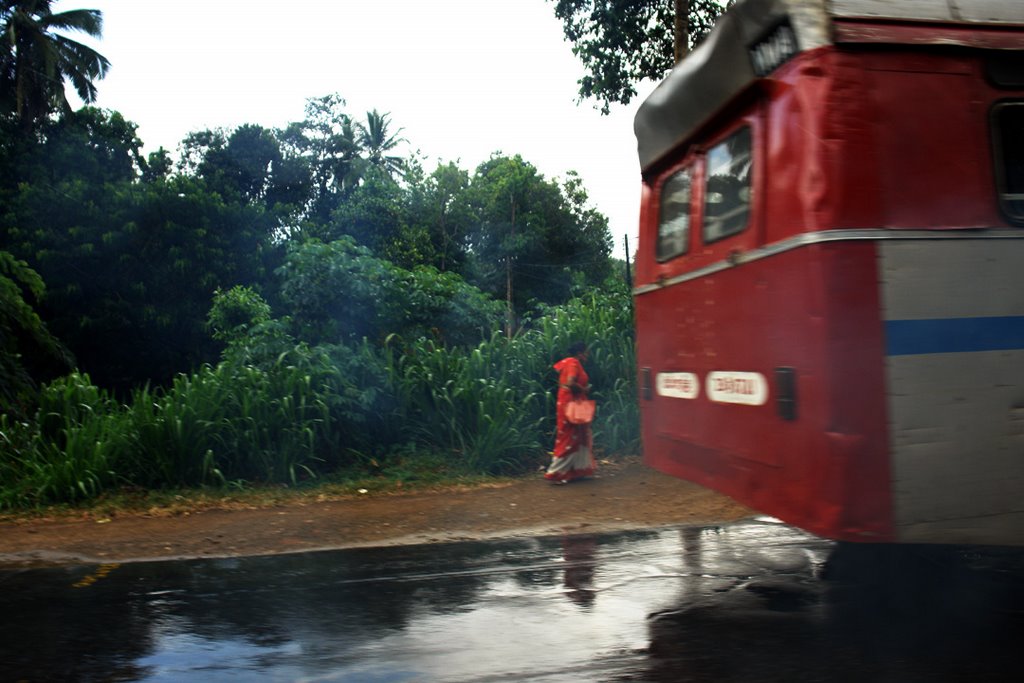
Just 35 km south of India in the Indian Ocean is a small island known as Sri Lanka. One of the most bio-diverse islands in the world, it boasts rich tropical vegetation in the mountains and soft sandy beaches which circle its shores. The island gets a generous amount of monsoon rain and within two hours you can experience a rapid change in climate.

Rice paddies line the roads that lead down to the coast from the the mountains. A uniforminty amongst this lush landscape, a greenery that dazzles the eyes and soothes the mind.

The rain is heavy, but comes and goes quickly. Umbrellas quickly double up as parasols to provide shade from the mid day heat, as well as protection from the rain, not that it matters... weary feet find the cool sensation of fresh puddles.

There are people everywhere on the streets, walking from one place to another. In the mountians, the rain smells fresh and romances the senses. It jogs the memory and reminds one of how utterly wonderfully nature is.

The country is for the most part poor and according to the World Bank 23% of people still live under the national poverty line: "Between 1990/91 and 2002 per capita consumption increased by 29% in real terms. The average consumption for the richest 20% of the population increased by 50%, while that for the poorest 20% barely increased by 2%. Inequality between urban and rural areas has been also widening with residents in rural/remote areas being left out of benefits from economic development."

Time stands still in Sri Lanka, a barber shop in the capital Colombo harks back to the 1950s. This barber shop is located one block from the presidential residence and the central bank, which was blown up in 1996, causing an eleven storey building to collapse and killing at least 50. Photos are forbidden on the street outside, but the barbers didn't seem to mind.

Central Colombo away from the bright lights of prosperous development.

Colombo airport is locked in the 1970s.

The sign is written in Sinhalese, English and Tamil.

But among the beauty and memories of decades gone by, there is a terrible tragedy, the displacement of thousands of people. Firstly by the tsunami that struck on December 26, 2004, killing over 30,000 people. And now by the war that is raging in the north east of the country - some of the worst hit areas by the tsunami.

Two years ago, a new government was elected and critics say that the recent upsurge in violence from the Tamils, which started over a water supply to Muslim farmers two weeks ago, is due to the way in which the government has been dealing with the Tamil Tiger rebels (LTTE) - or not dealing with them. As is always the case with any type of resistance, when negotiations and dialogue disappears from the spectrum the more radicalised the resistanc becomes and not without reason. Although, Tamils do experience rights, what they want is their own homeland - an autonomous area in the north east of the country, much of which is currently under LTTE rule.

Two weeks ago, the military launched an offensive on the LTTE in order to get back the water supply to civilians on humanitarian grounds. This fighting spilled over to Muttur, a city with a population of about 68,000 civilians. Sri Lanka is home to mix of Sinhalese (approx 72%) and Tamil (approx 18%), of different religions; Buddists, Hindus, Buddhists, Muslims and Christians, all of whom lived in the city.

The residents of Muttur fled south after hiding in schools for 24 hours to escape the shelling and artillery fire. Co-ordinated, by ordinary people, an exodus of civilians to get out of the city to safety headed south. It took them a journey of three days on foot to reach Kantale, a village with a population of 2000 people, where they finally found refuge. Needless to say refugee camps have gone from 4 to 26 in four days. There are some 30,000 people now in refugee camps in kantale, so where are the rest of the civil population? Lying dead on the road inside the conflict zone? Or still hiding without water?

Eye-witness reports say that on the way out of Muttur as people were passing the checkpoints, young Muslim men were being targetted by the LTTE. Singled out they were shot at point blank range (seen as government informers), while some of them were recruited by the LTTE.

It's difficult to say who started what, and who is to blame. Yes, the government has done well at not dealing with the issue, and the water supply fude seems to have been a pretext to a planned war from the LTTE to recover their so-called homeland. Either way, many people are suffering - a human population who have already been through so much because of the tsunami are now suffering the agreesion of war. Whether the peace will come back remains to be see, but with the world not seemingly bothered by the conflict, it does look like it will conitnue for some time.

Wednesday, June 21, 2006

Soweto thirty years on... with funding being cut this year in the area of HIV prevention, the issue of HIV/AIDS in South Africa needs the attention it deserves.

While on an assignment in South Africa Jon and I produced a short piece on the AIDS epidemic. We wanted to show what local communities are doing in the fight against AIDS, and not what "famous westerners" do.

Of course any effort whether it be from the west or from local communities is extremely important in the fight against AIDS, but it always seems that the issue only gets covered when either Prince Harry or Bono jet into South Africa.

This report takes a look at the youth of Soweto and what is being done to combat the epidemic. It addresses the confusion created by the political leadership in today's South Africa and touches on the reasons behind the rising figures of HIV patients.

We found an enormous amount of optimism and hope in the children of today's South Africa and it was inspiring to talk to these youths and discover that once again, the children of South Africa really are the catalyst for change, just as they were thirty years ago.

Alternatively, if it doesn't load from here, go to: http://www.current.tv/studio/media/7044967

Sunday, May 14, 2006

After many requests I have finally caved in again and am posting something personal. Me on the job! Just so you know that I do still exist. Miss you all...

Photo was taken by Yeliz Oz, Hurriyet journalist and colleague at the Shiite conference in Istanbul on May 14,2006.
A: Where do you really want to be in five years?
B: Sitting in a bar somewhere in the developing world, Africa perhaps or South East Asia, the Caucasus sipping a beer discussing local politics with a colleague, a local expert or simply listening to a local resident, in hope that someone in a position of power reads or sees my report and takes action that could aid someone less fortunate than themselves.

Life is weird, you win some and you loose some. People come and go, we all I guess hope that we have “made a difference” and affected someone in some shape or form. Why is there so must discord in the world? Is it because we are just sick animals who know how to talk, but yet have forgotten that this simple tool which allows us to convey complex ideas, was developed over thousands of years and is the origin of development as we know it today. These days we use this tool loosely and don't think about the consequences or outcome of telling a simple lie for example. The wheels of development keep on turning and have as no one denies had a hugely positive affect on societiy by offering up a certain level of economic freedom to individuals.

But development at what cost? The selfish behaviour that affects societies of a developing nature demonstrates peoples utter desperation to not understand what it is they are developing for.

I don’t pretend to be an expert on this subject, but I do know that getting to know the world we live in and fully understanding ourselves shows a level of commitment that we bring to our communities where and whoever they are. This does not just simply mean lowering our individual consumption, but it also means honouring people that we interact with.

The nature of a developing economy, is that it seeks out opportunity at any cost. This transcribes into the behaviour of individuals and manifests itself in a “survival” culture. Survival of the fittest. Why? Because there is no alternative. This is the divide that affects us all, and breeds with it a deep cynicism in society which encourages selfish acts that have massive repurcussions on others.

The resource rich countries house the highest rates of poverty in the world. The “resource curse” leads to opportunity being a priority over true progress and commitment. Governments who hold a large percentage of the world’s oil wealth don’t know how to maximize their revenues which should largely benefit their own citizens. Large corporations exploit this “opportunist” mentality and the “opportunists” lap it right up. The nature of oil markets – the boom bust scenario – mean that government, whose main revenues are tied up in it, need better financial planning in order to plan national budgets for health and education better.

There are not only problems of budgeting involved when thinking about resource rich countries, but cultural traits that have implications on how systems develop. Culture must be taken into consideration when wanting to understand the problems of any society. The Aids crisis in South Africa has been the biggest health risk in the 21st century. Yet, no one recognises it still, even the former-prime minister Jacob Zuma brushed it off this week when he was acquitted of rape charges as if it were a mildly dangerous disease. The reality is that 25,000 to 35,000 individuals are dying every month and this figure will rise to 40,000 say experts. A health crisis of epic proportions, an epidemic is gripping South Africa.

In Soweto alone the estimated rate of infected people is 63%, according to a local AIDS activist. When we spoke to Jacob, a 19 year old Soweton resident who lives with HIV, he answered candidly. Saying it out loud is a nerve racking thing. Can you imagine knowing that at least six of your neighbours have HIV/AIDS, but are not getting the necessary treatment, and therefore will be dead within a few years. This is the scary reality of what is happening in Soweto.

The generation of positives are fighting back and taking action by running prevention campaigns that are run by the youth and administered to it. The push to keep South Africa’s youth “negative” is working. The rate of negatives in 12 to 15 year olds is at an all time high of 97%. Higher rates of infection occur when girls reach 17 years. Economically challenged they have unprotected sex for money as men prefer not use condoms. In Zulu culture men get what they want when it comes to sex as demonstrated by the Jacob Zuma trial. Young girls then fall pregnant and are discovered to be HIV positive after being tested for pregnancy.

Use the gift of speech to do good, act with a level of sincerity and thought. Discuss, discuss, discuss and allow others to express their thoughts, and listen openly without judgement. Development often by-passes the "process". It is in the process that we appreciate the development. South Africa's youth are using this tool to teach their peers and young neighbours about the risks of HIV/AIDS and they are doing it extremely well.

Friday, May 12, 2006

"Ali" 1956 to 2006

In memory of Mohammed's uncle, who died in hospital April 2006. We hope you are now at peace and free from the pain you have suffered over the last 20 years. I thank you for allowing me into your home, and also for allowing me to listen to your story. May Allah be with you and your family. And may Bahrain further its mission to forward the implementation of fair and democratic treatment for all by ratifying the convention on human and political rights.


http://english.aljazeera.net/NR/exeres/6DCB87E6-2C0A-4944-BD8A-AE7DBFBAB5E6.htm

If the link doesn't open up immediately, copy and paste it into your browser.

Tuesday, May 02, 2006

FIGHTING AN INVISIBLE WAR
Written by me, commissioned by the Oxford Business Group,

South Africa is finally getting to grips with it’s AIDs pandemic, but there is still a long way to go before the battle will be won.


The HIV/Aids epidemic in South Africa has reached that of epic proportions, the consequences of which are also expected to be unthinkable. Thankfully this epidemic has reached a plateau, so the experts say, and with many campaigns being run not only on HIV prevention, but also on treatment, those on the inside say it is finally reaching a manageable state when compared with five years ago.

Other changes taking place are that corporate South Africa is finally taking some responsibility in the treatment of Aids for its labour force by initiating policies that deal with the problem in terms of treatment. And in addition, programmes targeting the youth population are bringing about changes in cultural stereotypes, needed in order to combat the virus, while creating a fundamental change in educating a nation that is believed to have an infection rate of up to 21.5% in adults between the age of 15 to 49 years according to an independent survey by ORC Macro, a research corporation based in Calverton, Md, the study was funded by the U.S. Agency for International Development, other international donors and various national governments in the African countries. Estimations have been widely debated and a study conducted by the Department of Health in 2005, reported that 10.8% of all South Africans over the age of 2 years were living with HIV in 2005, with those between 15 and 49 years old estimated at having a HIV prevalence of 16.2% in 2005. The reason for such widely debated numbers are that there is still a large proportion of the population who have not been tested.

In 2005, it was widely documented that by the age of 21 years one in every four women are already HIV positive, and the statistics on men are not far behind. The study by the Department of Health reported that among females, HIV prevalence is highest in those between 25 and 29 years old; among males, the peak is in the group aged 30-39 years. According to these results, males aged 15-49 years old are 58% as likely to be infected as are females in the same age group (11.7% in men versus 20.2% in women). Theses rates are down on 2004, where HIV prevalence according to the Department of Health Study was 24.6% amongst people aged 15-49 years old.

In 2006, deaths from HIV were set at around 1000 people per day, and although the epidemic has stabilized in terms of infection in the period 2003-2006, there has been a rising phase in mortalities with approximately 25,000 to 30,000 deaths being recorded on average per month, this figure is expected to rise according to Professor Andre Roux, Head of the Institute for Future Research told OBG in April 2006, “With the current rates on infection we estimate that within five years the total number of deaths from HIV/Aids will reach 40,000 per month.” Of course with such statistics now very much a reality corporate South Africa is having to take notice as the future productivity of the country is very much at stake. Roux added that the expected rise in mortalities will shave .5% off GDP.

TAKING RESPONSIBILITY: The first company to pioneer a HIV/AIDS treatment programme for its employees was Anglo American, South Africa’s leading mining company. Understanding that there was a problem due to high turnover of staff and absenteeism the firm took action. The initiative to conduct an employee survey in order to secure a labour force that is sustainable began in 2000. The latest surveys conducted in Eastern and Southern Africa by the firm in 2004, showed that almost 23% of the company’s work force, including all subsidiaries, have a HIV prevalence. The decision pushed through by Dr. Brian Brink to develop a way of saving lives at Anglo American seems to have paid off with absenteeism having been reduced from an all time high of approximately 6600 days per month for employees who were HIV positive in 2000, to around 2000 days per month in the first year of the programme.

With 80% of South Africa’s mining population living away from home it created an environment which was perfect for the spread of AIDS, and with no health insurers recognising HIV or even STDs in medical-plans, as is the case in most countries throughout the world, there was a definite problem in ignoring the issue. This helped the epidemic take hold, along with the general unhealthy living that these labourers practise.

Anglo American aware of the country’s Aids crisis started its campaign for prevention as early as 1986, however, the programme for treatment was not introduced until 2000. At that time Anti-Retroviral Treatments (ARTs) were showing positive signs in clinical trials and it was then that Anglo American committed itself to developing a programme to deal with its own crisis of sorts.

The programme entails that all employees who tested positive for HIV be offered enrolment in a wellness programme, which supplies treatment in the form of ART, therapy and advice on healthy living. The total number of employees who enrolled in the wellness programme as of April, 30 2005 was 7358. While 4459 employees began preventive therapy for opportunistic infections. These numbers have huge implications in terms of financial commitment from employers, however, with future productivity at stake, as well as a high absenteeism seen in pre-ART companies simply could not ignore the problem anymore. Although it does require a serious investment, Anglo American claim that over the first 12 months of introducing the treatment programme, up to 70% of its cost were covered by the reduction in absenteeism.

These days the firm actively promotes Voluntary Counselling and Testing (VCT) to normalise the stigma which surrounds HIV/AIDS in South Africa. This is being realised, says Anlgo American, by creating an environment which is conducive to testing. This requires developing a climate of trust, non-discrimination, confidentiality, empowerment, efficiency, caring and access to treatment.

With programmes such as Anglo Amercan’s being a positive step towards creating a work force that will ecru higher productivity, many companies have followed suit. One particular sector which has also dealt with the crisis in a similar vain is the automobile industry. South Africa has the tenth biggest automobile sector in the world and in terms of GDP has a worth of 7% to country’s economy. BMW and Vaults Wagon followed in the footsteps of the Anglo American model and also introduced healthcare plans for all employees to cover HIV/AIDS. In fact industry insiders say that Anglo American has revolutionised the way in which corporate South Africa is investing in the crisis, and maybe in the way the world at large will make up health care plans in years to come.

STARTING AT THE GROUND UP: The other aspect of the crisis is one that begins at an earlier stage, that of the country’s youth population. South Africa recognised that it not only had to treat its aging workforce but would have to focus on prevention in order to create a generation of negatives that would boost productivity in the future.

Among teenagers infection rates are still fairly low, but when girls leave school there is an explosion in infections. A national survey of HIV and sexual behaviour among 15-24 year olds conducted by LoveLife in 2003, South Africa’s youth campaign for prevention of HIV/AIDS, showed that HIV prevalence in girls aged 15-19 was 7.3% where as the rate in 20-24 year olds was much higher with some 24.5% recorded. Boys on the other hand were much lower with all 15-19 year olds surveyed having a HIV prevalence of 2.5% and 20-24 year olds 7.6%. Looking at these figures the over all negativity in children aged 15-19 regardless of age is 95.2%.

The campaign exclusively targets 12-17 year olds and seeks to build on the high negativities in this age range. LoveLife told OBG in April 2006, that in 12-17 year olds there is a 3.7% prevalence of HIV, which although lower than the older generation is still ten times higher than rates recorded in Western Europe and ten times higher than that of the United States.

A late starter due to government being slow in the recognition of the extent of the crisis, LoveLife began campaigning in 1999. Major funding initially came from the Henry J. Kaiser family Foundation and the Bill and Melinda Gates Foundation with additional funding from the South African Government, the Global Fund to fight AIDS, TB and Malaria, and the Nelson Mandela Foundation. LoveLife has gone through cuts in funding over the last 12 months with funding from the Global Fund being cut from some 200m Rand in 2005 to 140m Rand in 2006.

Today LoveLife reaches millions of young people through a number of different vehicles: television programmes reach a weekly audience of 4m teens; radio programmes have an estimated 6m listeners; UNCUT, LoveLife’s national newspaper has a circulation of over 1m; Tetha Junction helpline receives an average of 25,000 calls per month; an estimated 50,000 young people participate in activities each month at the 16 Y-centres across the country; 900 adolescent-friendly health services service local communities; Over 100,000 children are reached through school-based outreach programmes every month; and over 1m young people participate in activities related to the LoveLife Games – a year-long sports programme which builds confidence, competitiveness and motivation in young people.

“The most vital part of getting the message to the youth was to communicate with them on their level by creating a youth friendly environment where we could meet face to face with our target audience.” said CEO of LoveLife David Harrison.

OUTLOOK: If South Africa can keep the epidemic in check as it seems to being doing, the future of the country lies on a very different path. Harrison told OBG in April 2006, “We must focus on keeping this level of negativity high,” adding that, “If we do this then we will change the future of South Africa.”

Sunday, April 30, 2006

Nuclear "No Thanks"

Thousands of anti-nuclear activists and environmentalists alike gathered in Sinop on Saturday for a peaceful demonstration against the planned nuclear power plant that the government say will be built on the Ince peninsula. It was an inspiring weekend in Turkey, a weekend where a group of people, who care not only about their own country, but about the world as a whole, took to the streets and committed their time to making a stand against their own government while supporting the locals in their battle against Turkey's nuclear aims. One journalist there told me of how in his opinion there is no energy crisis in Turkey, but they are clouded in their vision by industrialisation of any type at any cost.

The convoy carrying activisits from all over Turkey was greeted with smiling faces and welcoming waves as it rolled into town. Those who did not know about the nuclear ambitions of their government became better informed, which may add some value to stopping the Turkish government from building a nuclear power plant in one of the country's most bio-diverse areas. The landscape we passed was breath-taking and rich in flora and wildlife.


Up to 10,000 people marched through the Black Sea fishing village of Sinop in protest of the government's plans to build the plant not far from the town. The rally marched through the streets and congregated in the town square shouting anti-nuclear slogans and sang environmentalists songs. Members of the main opposition party CHP were present, although no representatives of the ruling Justice and development Party (AKP) came.

Residents joined Turks, who had traveled from all over Turkey, and marched through the streets in protest of the government's nuclear plans. Buses traveled from Istanbul and Ankara carrying many NGOs such as "The Greens" and "Anti-Nuclear Platform". The trip was organised by the Chamber of Electric Engineers (EMO). The event was a peaceful one with low police presence on the ground – all demonstrators passed through a check point before entering the town square.


Following a meeting on April 14, of Turkey's top energy officials and representatives of 14 firms, statements circulated in the Turkish media that the government had confirmed Sinop as the site of where the new nuclear plant is to be built. Turkish Prime Minister Recep Tayyip Erdogan was quoted by the Turkish media on April 14 as saying the Black Sea coastal town of Sinop was "the one".


Sinop has been chosen from eight possible locations based on a list of criteria which include seawater temperature, climate, wind and general weather conditions, according to Turkey's Atomic Energy Agency (TAEK).
TAEK's president, Oktay Cakiroglu, announced on April 14 in a speech to a parliamentary commission that technical studies conducted countrywide had shown Sinop to be a good location to build the plant based on the agency's criteria, and that a technology centre would soon be established there.
The region surrounding the Sariye Dam was also thought to be a candidate for the facility, but was later found to be unsuitable due to transportation problems in the area.
In the latest report by TAEK, dated March 15, plans on where to construct the facility in Sinop were laid out, with the Abali village on the Inceburun, Turkey's northernmost point, noted as the site.


A second rally is planned for June, but the location is not yet known.

For a look from an economical and political standpoint with a little more regional background, here's an article I wrote two weeks ago:

http://www.oxfordbusinessgroup.com/weekly01.asp?id=1937

Wednesday, April 26, 2006

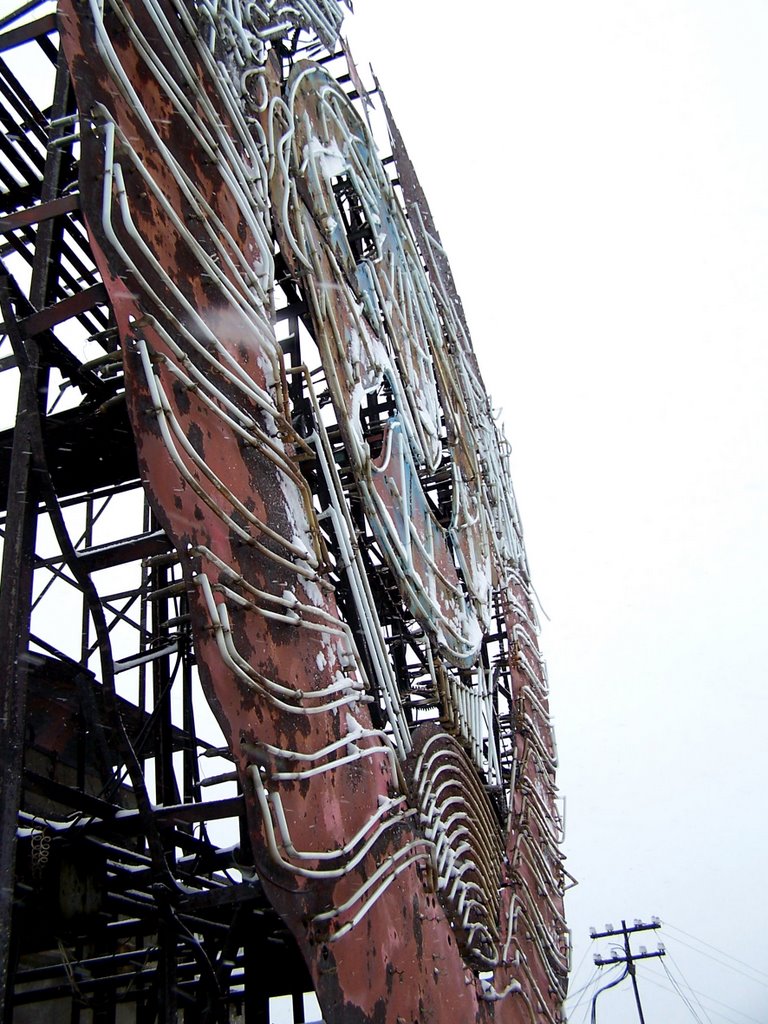
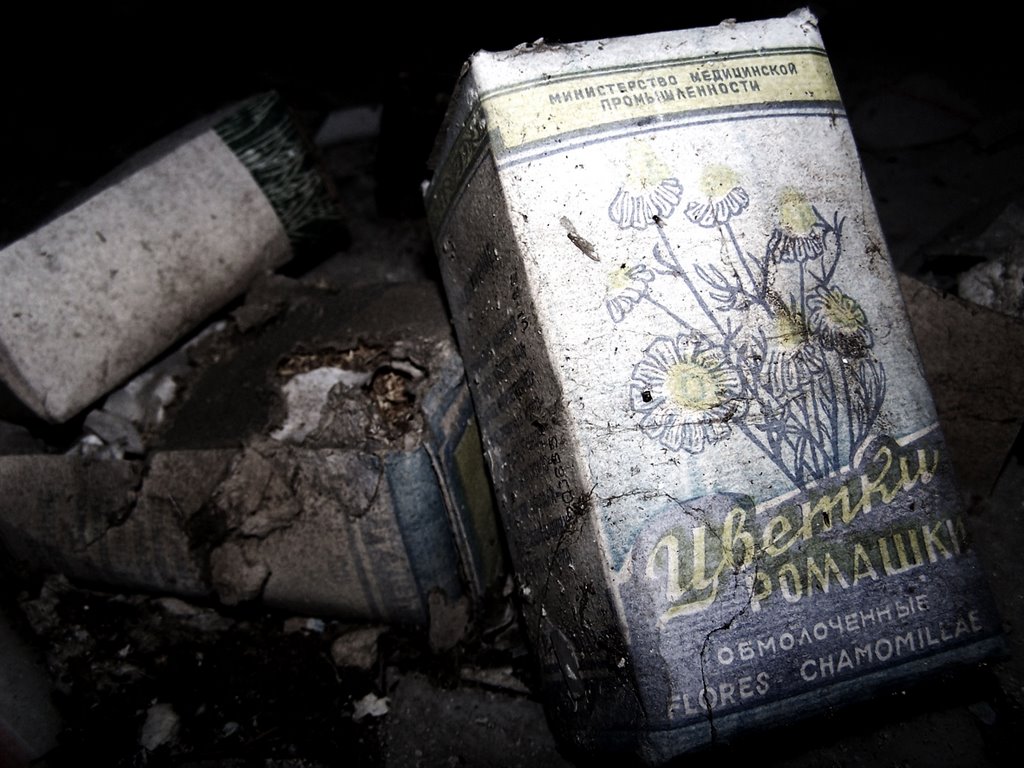
Chernobyl 20 years on...

Remembering the liquidators – hundreds of firemen lost their lives as they bravely battled against the reactor.


Radioactive rescue vehicles dumped in a field in the zone.


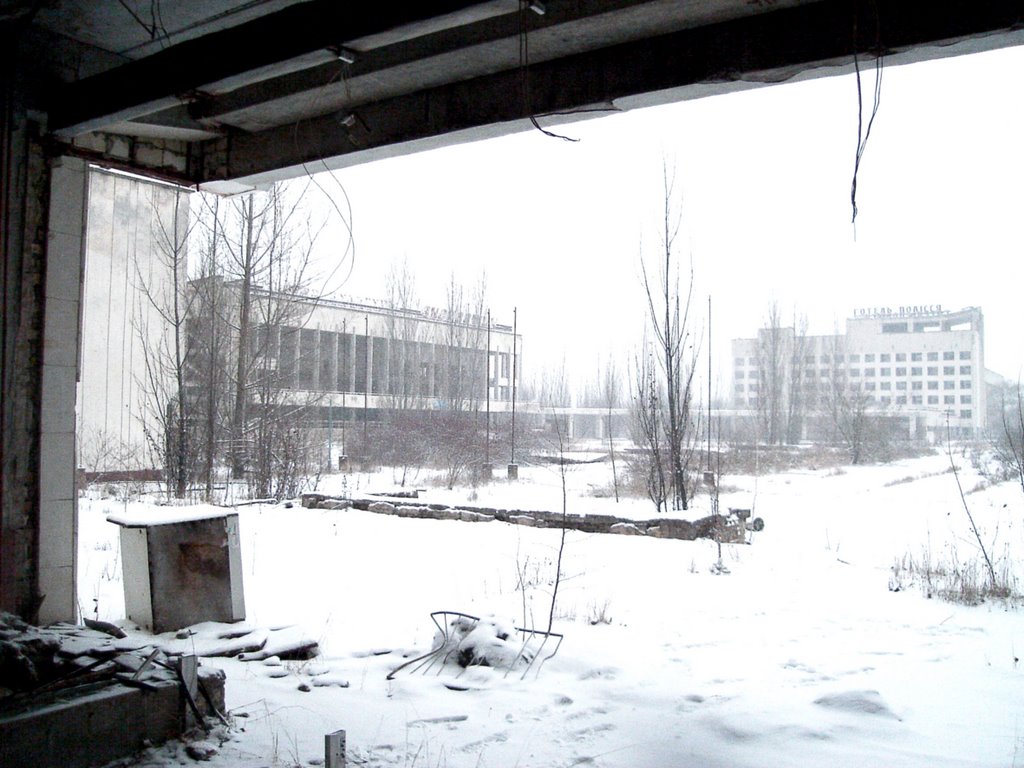
Pripyat city, home to 45,000 people at the time of the disaster.


The town square which once housed the laughter of a young rising middle class.


Party sign which sits on the top of the highest buidling in Prpiyat city. The power of the party looms over the city.


Signs that a healthy lifestyle was appreciated in the zone at one time. Remains found in the kitchen of an apartment building.


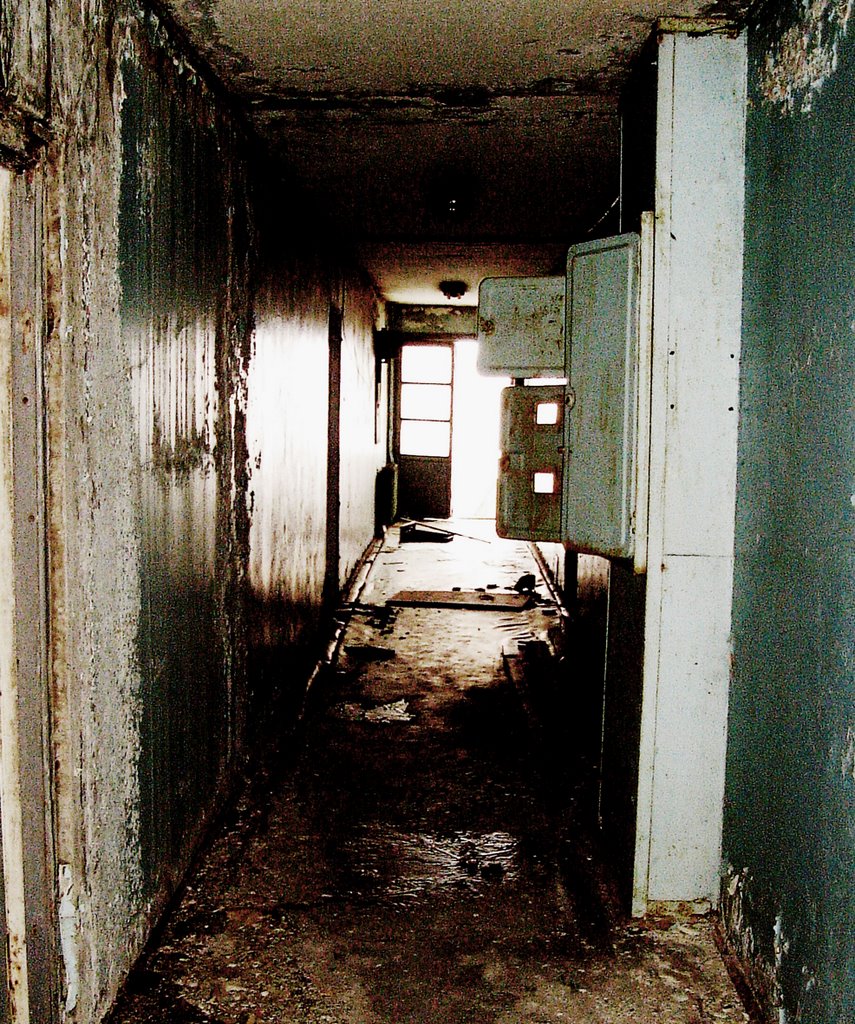
Peeling walls of an apartment building in Pripyat city.


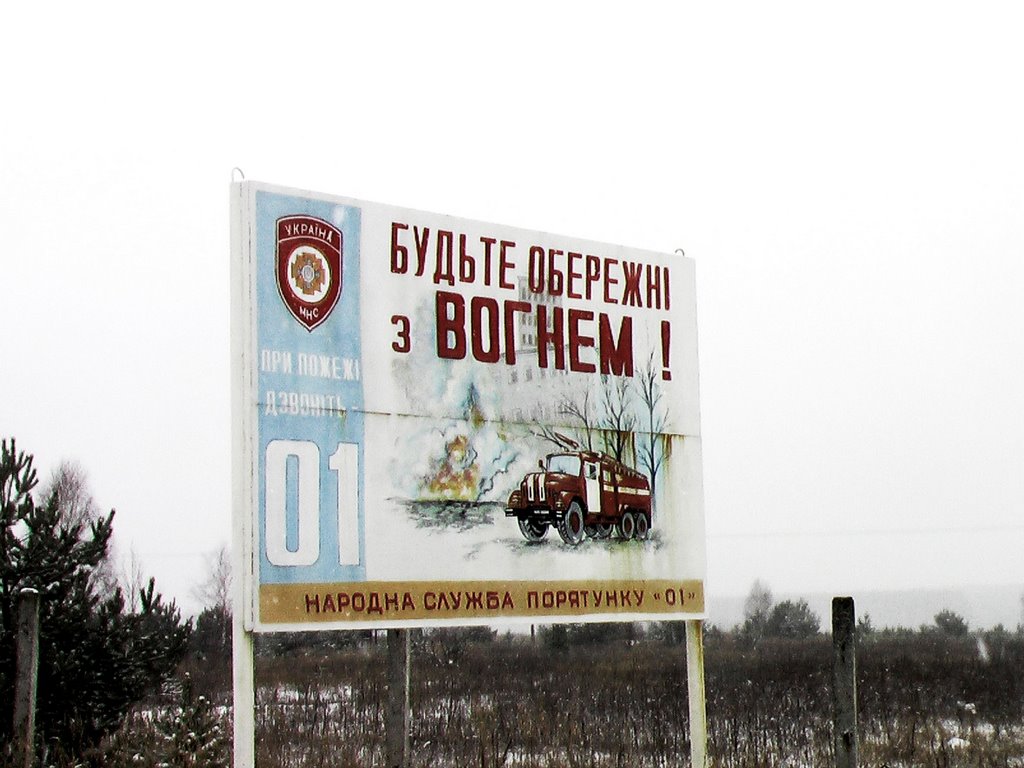
Billboard which ironically reads "To Your Health", there are lots of these dotted around the zone, a pretty green landscapes against a backdrop of radiation.


Signs of a comfortable lifestyle. Electric goods were something of a luxury in the 1980s.


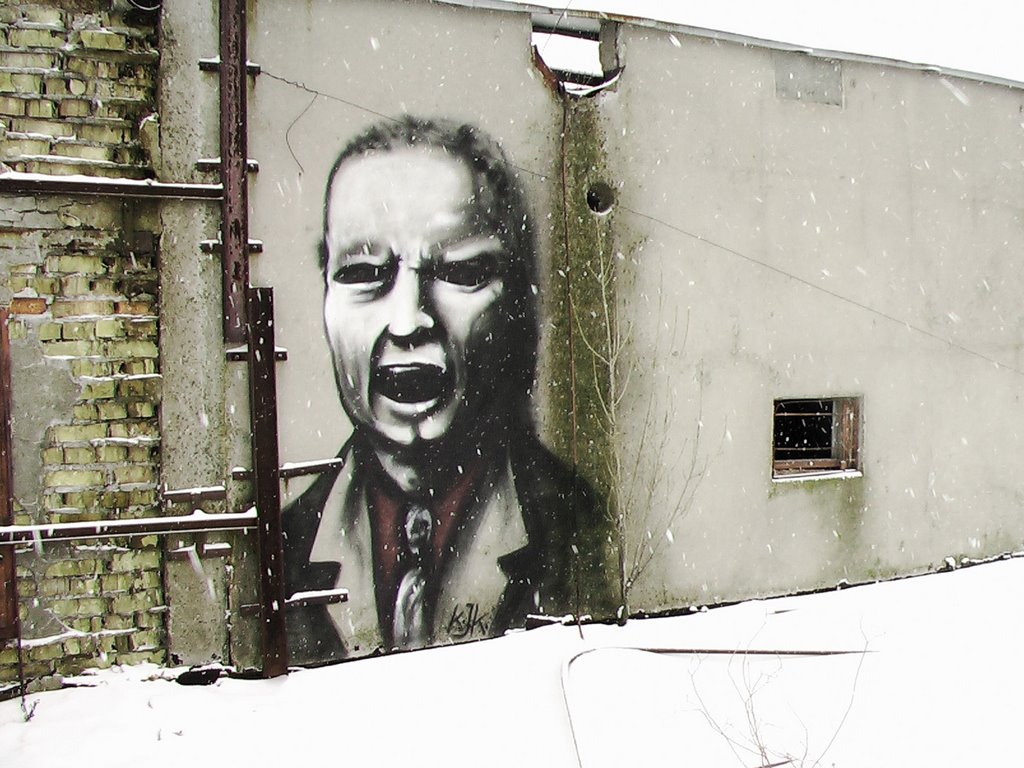
Screaminghead highlights the disaster.


Artists have highlighted the victims of the disaster – the children.

Monday, April 24, 2006

I never include personal items, but this was too good to miss. My rock and roll dad on the left and his aptly named band. I finally understand why I feel like this often.

Monday, April 17, 2006

Click on picture to see real size

Sunday, April 16, 2006

Johannesburg, the walled city


www.flickr.com


Sabral Circle's photos tagged with johannesburgMore of Sabral Circle's photos tagged with johannesburg


Friday, April 14, 2006

Africa
Watering hole 80km from the Swaziland border

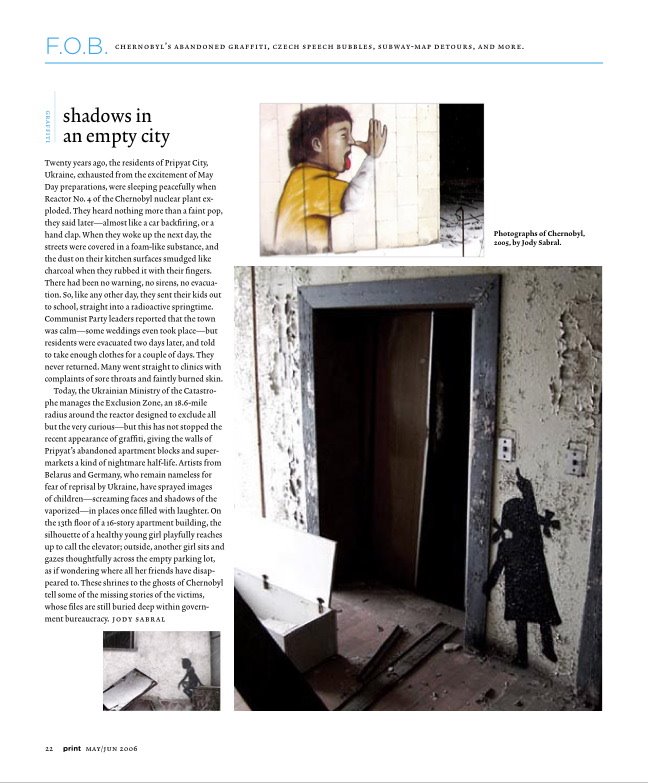
Logging up in the mountains on the Wild Frontier

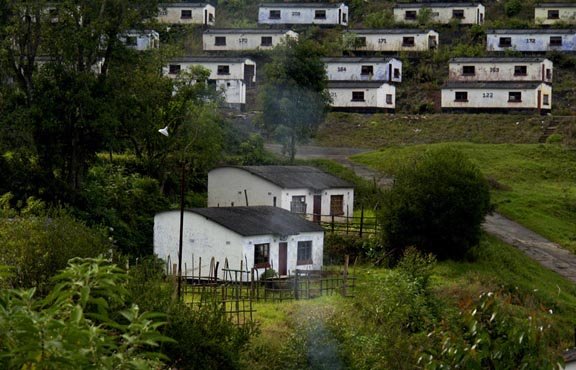
Lonely House in Swaziland

Public rest stop

Headline News

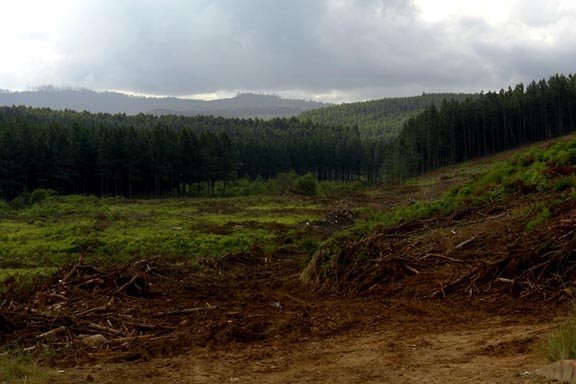
Mining village on the Wild Frontier

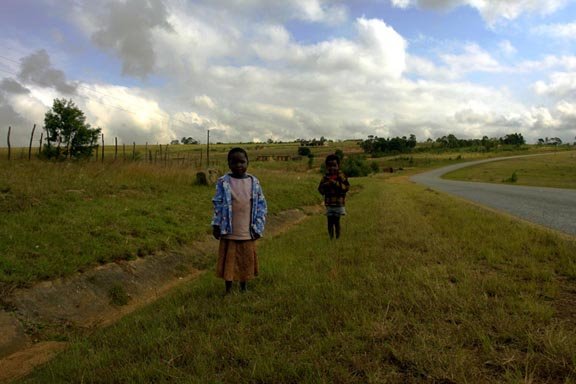
Aids orphans living on the land

Monday, April 10, 2006

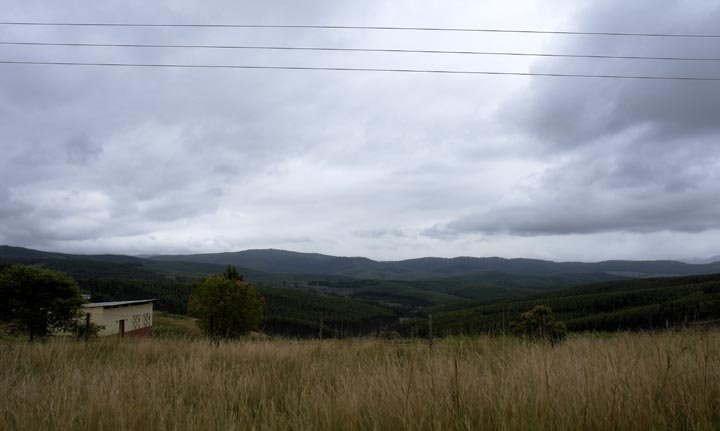
Swaziland... the greenest country in the world... and a nation hooked on football with the highest rate of HIV infection in the world. UNICEF estimate that 700,000 children in a population of one million have already lost at least one parent to the disease and that 15,000 now live in child-headed households. It is however, the most beautiful countryside I've ever seen – one big mountain range of rolling green hills.


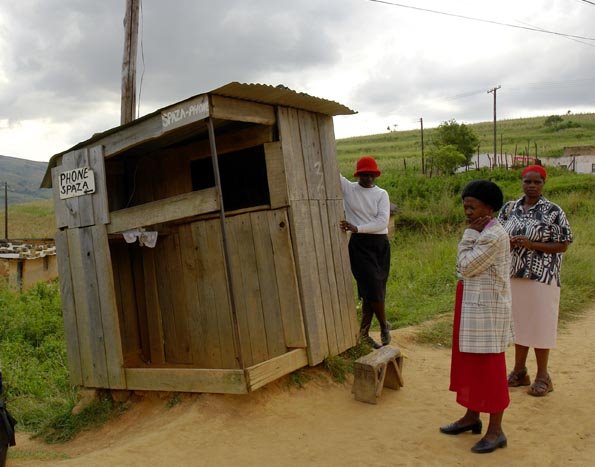
Florence was hanging out with her friends at the regional telephone booth when the car of whiteys stopped. The air was dry, and the sun was in its usual position scanning the mountain range. She was secretly glad that the red peugeot with a Johannesburg registration had pulled over, the others, in opposition, were much more suspicious.


"Look, here they come again, ask them for 20 Rand this time," Said the telephone attendant's daughter as she folded the hotel's laundry into neat squares that would fit in the canvas bag she had just found on the road from Piggs Peak.

Florence didn't care about the money these foreigners had. She had been wondering for the last three hours how she was going to pick up her youngest daughter from school today. It usually took her hours to walk across the mountain.


As the not unfamiliar white tourists armed with cameras stepped out of the car she felt she might be one step closer to collecting Mutanga on time today. It was Mutanga's sixteenth birthday. Today her youngest daughter would become a woman. She couldn't be late for the birthday celebration. There was to be a party after school, everyone would be there. It would be shameful to be late. She watched as the foreigners got back into their car satisfied with the pictures they had taken. The struggle with her inner-conscience and self confidence began.


"Should I ask them? Should I ask them? I can't. Just do it! No, why would they help me? I am nobody to them. They are rich white people. Why would they help me? But I am desperate if I miss Mutanga's birthday she will be so sad. She has never been the same since her father died three years ago."


Florence looked at her watch, the watch her husband had given her for the last Christmas they had shared together. Time was running out, there was nothing more to do, plus she had nothing to loose, she had already lost everything to an unknown force, that of Aids, a killer that she could neither understand or comprehend.

It was now or never. Now she thought or never. Approaching the red car she spoke in her best English, "Hey, can you give me a ride?" She said nervously, not knowing whether her badly spoken English would be understood.

"Sure, hop in, where are you going?"

She couldn't believe her luck. She would be on time today, on time for her daughter's birthday. They had no idea of what they had just done for her, she could never repay them. Some things are unquantifiable in this life she thought and the smile across her face was evidence of just that.

After the twenty minute car journey of pleasant conversation, they dropped her off. Florence cried as she walked into the school yard as did Mutanga, happy that her mother was on time today, while knowing that she was really the only person who could ever understand the loss of her father dying.


"Here, my daughter. This is for you on your very special day."

Florence gave Mutanga a beaded necklace that she had just spent the last four hours collecting.

"Thank you mother, I know the road is not easy with your bad knees. I love it, but I love it more that you are here."


Mutanga's class mates came running across the yard singing the sweet Umhalanga and there was in that moment nowhere else in the world that she wanted to be, she only wished that her father could have been there to see her reach womanhood.

"You will be a great doctor," said Mutanga's science teacher, "You will honour your father, we are all proud of you."

"Yes, we are," said Florence.

The dance had already surrounded them. Lost in the chanting they forgot for a moment the loss of their beloved father, husband, source of discipline and inspiration. Today was a day to celebrate life, so they gave in to the party and danced the Umhalanga until the sun went down and it was time to go home.